Why Finding the Right Pink Salt Supplier Matters
Pink Himalayan salt is an established product in Pakistan's food and mineral markets, attracting interest from retailers, wholesalers, restaurants, distributors, and international buyers. Its different textures, colours, and applications create opportunities for businesses serving various customer groups. However, successful purchasing requires more than finding someone who can provide the product. A reliable
pink salt supplier in Pakistan should understand business requirements, communicate product specifications clearly, and offer suitable arrangements for regular orders. Choosing carefully can help businesses maintain product availability, manage inventory, and build customer confidence.
Understanding the Market Before Selecting a Supplier
Before contacting potential suppliers, buyers should understand the market they intend to serve. A retailer selling kitchen ingredients may need small, consumer-friendly packages, while a wholesale distributor may require larger quantities and different packaging arrangements. Restaurants generally prioritize convenient food-grade salt for regular kitchen operations. Exporters may have additional requirements involving product specifications, labelling, and destination regulations. Understanding these differences helps buyers explain their expectations and identify suppliers who can meet their particular needs. It also prevents businesses from purchasing products that are unsuitable for their customers.
What Makes Pakistani Pink Salt Attractive to Buyers?
Pakistan is widely associated with Himalayan pink salt, particularly resources found in the Salt Range of Punjab. The product attracts attention because of its natural colour variations and availability in several forms. Food-grade varieties are used for seasoning and cooking, while larger crystals and decorative pieces serve other commercial purposes. Different grades allow businesses to target different customer preferences. Buyers interested in sourcing locally should still examine the complete supply process, including extraction, cleaning, processing, grading, and packaging. Product origin is useful information, but it should be considered alongside quality and suitability.
Exploring Product Varieties for Different Markets
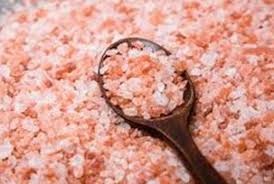
Pink salt is not limited to one texture or presentation. Fine-grain varieties are commonly used in households, restaurants, and food preparation because they are easy to measure and distribute. Coarse crystals are suitable for grinders and recipes where a larger texture is preferred. Medium-sized grains provide another option for general seasoning, while larger chunks may be selected for decorative applications. Some buyers may also require specific grades according to their manufacturing or retail needs. A suitable supplier should explain these differences so customers can select products that match their intended market.
How to Evaluate a Supplier's Professional Standards
Professional communication is an important sign when assessing a potential supply partner. Buyers should look for clear responses about product availability, specifications, pricing, packaging, and delivery schedules. A supplier should be able to explain what each quotation includes and identify any additional charges. Customers should also ask about sample availability, quality checks, and procedures for handling incorrect or damaged shipments. Written quotations and documented order conditions can reduce misunderstandings. A careful evaluation helps businesses distinguish between suppliers who simply offer a product and those who understand commercial purchasing requirements.
Why Quality Inspection Should Never Be Ignored
Product inspection is especially important when purchasing large quantities. Buyers should examine cleanliness, grain size, visible impurities, colour consistency, and packaging condition. For food applications, the product should be identified as suitable for food use, with relevant specifications and documentation available where required. Requesting a sample before confirming a bulk order can help businesses assess whether the salt meets their expectations. Buyers should also discuss how quality is checked between batches. Consistent standards are valuable because customers expect the products they purchase repeatedly to maintain similar characteristics.
Packaging and Storage Requirements for Different Orders
The right packaging depends on the product type, order quantity, transportation method, and final customer. Small pouches and jars may be suitable for retail shelves, whereas larger bags can support wholesale distribution and commercial kitchens. Export shipments may require stronger materials, clear labelling, and packaging that meets destination requirements. Since moisture can affect salt texture, secure sealing is important during storage and transportation. Businesses should confirm package weights, materials, labelling details, and handling arrangements before ordering. Proper packaging protects the product and supports efficient inventory management.
Comparing Prices and Commercial Terms
The pink salt supplier in Pakistan offering the lowest price may not necessarily provide the best overall value. Buyers should compare quotations for equivalent grades, quantities, and packaging specifications. Transportation charges, taxes, handling costs, and customized packaging may affect the final purchasing expense. Minimum order quantities and payment conditions also deserve attention. Businesses should calculate the total cost of receiving the product rather than relying only on the initial quotation. Comparing complete commercial terms helps buyers select an arrangement that fits their budgets and operational requirements.
Where Can You Find a Supplier Near You?
Potential suppliers can be discovered through wholesale markets, industrial trading networks, food ingredient distributors, business directories, and online marketplaces. Searching for a pink salt supplier near me may help buyers identify nearby sources for meetings, product samples, and local deliveries. However, distance should not be the only selection criterion. A supplier from another city may offer more suitable grades, packaging arrangements, or order capacity. Buyers should compare available options and verify important details before making a commitment. Direct communication can provide a clearer understanding of the supplier's capabilities.
Building a Long-Term Supply Relationship
Businesses that purchase pink salt regularly can benefit from maintaining professional relationships with suitable suppliers. Sharing expected order volumes, preferred specifications, and delivery schedules makes future transactions easier to organize. Keeping records of quotations, invoices, samples, and product inspections also helps businesses monitor consistency. Both parties should communicate promptly if availability, pricing, or delivery arrangements change. Reviewing performance after each order encourages accountability and helps identify areas that need improvement. A dependable relationship is built through transparency, realistic commitments, and consistent attention to agreed requirements.
Choosing the Best Pink Salt Supplier in Pakistan
Finding the right
pink salt supplier in Pakistan involves evaluating much more than product availability. Buyers should consider sourcing information, product grades, quality inspection, packaging, pricing, documentation, and delivery arrangements. The most suitable supplier is one who understands the buyer's market and can meet clearly defined requirements. Whether purchasing for retail, wholesale, restaurants, manufacturing, or export, careful research can reduce purchasing risks and improve supply planning. Taking time to compare options helps businesses make confident decisions and develop supply arrangements that support their long-term goals.